|
|
 25 Jul 2016 @ 13:48 25 Jul 2016 @ 13:48
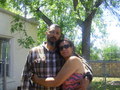
Buffalo and Martha--Warrior Couple with Whole Health Services for Recovery, Restoration and Resilience and over 15 yrs. As Combat Vet and Injured to the Core
True Leaders are a Living Examples for Next Generations
By
Gerald W. Vest, ACSW/LISW/LMT Professor Emeritus, NMSU; Organization Leader for Southern NM Injured Warrior Alliance and War Trauma Specialist
“Perhaps we can discover a deeper meaning to the freedom and individualism that have inspired so much our success, and put them into practice within our own minds. If we could examine our present patterns of thought and action jeopardize the very qualities we most value, we might open our hearts and minds to a more comprehensive knowledge.” (Tarthang Tulku, Knowledge of Freedom – Time to Change,) p. 53.
Taking care of Business every day is our way to provide for our self-preservation or meeting basic human need requirements…and, desires. Aside from this is an awareness that this activity is life support just like every creature on the planet must protect and secure itself. Seems our Instincts are covered over with thoughts, plans, ideas, fears, judgments and unfinished business in Life and Living. (And, taking psychiatric meds, blocks the natural flow of energy of the frontal lobe of the Brain where Reason and Right Action evolve. In Time-Self Lobotomy as introduced by Dr. Peter Breggen, leading psychiatrist disclosing their profession’s deadly cocktails). Doubt this comment, visit your local mental health, nursing homes, jails, prisons, schools, hospitals and VA.
Speaking of Basic Human Need Requirements for living—we are the only ones responsible for our own Lives while awakening ourselves to our best possibilities—physically, mentally, emotionally, spiritually and socially—we need everyone and everything inside and outside for maintaining a life as a Human Being. Returning to Nature as we Arrived…Innocent--Open, Accepting, Allowing, Experiencing everything in the present—All is New and All is Learning. We are making our Presentation in Nature along with our Pecan Trees, animals, insects and we feel very proud and able to take whatever we think we Need and the pleasure we experience at the Time (our Body and everything physical)…we have our Time as does this laptop allowing me to express myself in words and connect-interact with my brothers and sisters in my life. We Are One!!!
Am saying Happy 8 + 1 or 9 x 9=81 years on “Spaceship Earth” (B. Fuller) Currently, like most of us in America, we are experiencing, every day, throughout the day and night, Political News. I am witnessing what was historically identified as quality of Leadership-- Scholarship, Wisdom, Knowledge, Creative, Open, Honest, Respectful and Kind with others--guiding by example….in other words, we have few who can practice what they teach or preach—not honest, open, accepting, allowing and appreciating the opportunity to offer us the Best Possible Models for our next generations. NOT even Close to Loving Kindness.
Wonder why we punish and put more humans in jail and prison than any other Modern Country? And, call this Christian? All about an “eye for an eye” mental condition…Fear of God, Sex, Sin and Death are the basis of our Justice System and essentially every social system, starting with the Family and see for ourselves how some of them manage on minimum wage with limited resources to offer them safety, love and security…especially when we have a political party called Red States Religion…they just don’t realize they are projecting their historical beliefs and tradition with the hatred for persons of color and especially our Blacks and Indians (Native-True Americans)
Not going to stop here as we are in an experience where we have no one at the Top we can Trust…they are owned and controlled by the Corporations that make us their Slave. Everyone seems to be experiencing this disaster of Leadership in America in every System….all fail to serve Humanity and Nature—“We are One!!!” What affects One affects All whether aware or not…”No Accidents in Nature, just Collisions of Energy.” (Oscar Ichazo) Let’s Awaken Consciousness…All is Consciousness….All is Mind….All is Awareness….We are Presenting our Unique Being and Joining Nature…just takes us such a long journey to See, to Feel, to Breathe, to Be in Our Life Experience….Enjoy our Present Moment that is No Longer Present….Let’s Stay Present and Aware…my Dogs and cats teach me these lessons as does my Pecan Tree and other Creatures.
Am encouraging you Vets and Injured Warriors and families, returning from over 20 years of continuous Wars to find your Path to Freedom as Buffalo and Martha teach. See our website for Self-Care Plan, Commitment and Freedom from a Life of Pain and Suffering. ([link])
Gerald W. Vest, ACSW/LISW/LMT
Injured Warrior, TRICARE Provider--Individual, Couple, Family & Group
Holistic & Integrative Health Practitioner & Professor Emeritus NMSU
Las Cruces, NM 88005
575.524.2379 More >
|
|
|
|
 16 Jun 2016 @ 13:45 16 Jun 2016 @ 13:45
Beware of Behavioral-Mental “Health”—Health comes from the Roots of Wholeness and represents the interaction, inter-dependency and relationship of All Systems working together as one. What Affects One Effects the Whole Being. Is True with Global Relationships and Individual Social Interaction as well.
Humanity is Uniquely Created as One Body-Mind-Spirit. Religions and their belief Systems are historically confused and in competition with one another, unaware of their Mission to serve everyone, as is our Congress and most governments. However, they are confused about their True Nature and appreciation for everyone, everything and Nature—everyone’s source of nourishment and evolution as Human Beings. We are One, Aware or Not!!!
Our Brain is the Engine-Organ-Instrument doing its business with our Mind….receives all the sensory and nervous system information in a language the Brain and Mind know. Does the Brain need a ‘tune up’ with fresh air filters, balanced energy systems and connected with Mother Earth with a full tank of nutrition, openness and space. Don’t accept “Chi Cha” (Oscar Ichazo)--Mind chattering about business, safety, fear, beliefs, judgment, safety and security, relationships of the past and planning for the future. Develop and maintain a healthy Self Care program that works all of Systems that develop INTEGRITY—Right Action becomes the Outcome. Be the Right Action, Here and Now!!!
Diagnosing, Judging, Coding, Labeling (Psychic Tattoo) and Drugging Endanger Humanity. Don’t become a Mental Patient for Life and party to the VA Shuffle.
How does Wellbutrin and other psychiatric Meds help balance and help us find our equilibrium and harmony--clearly, without distortion. Scientific studies show they contribute the opposite affects. Western Psychiatry-Psychology is in the business of analyzing, interpreting, judging, assessing and treating symptoms with cocktail meds. Their experiments on human beings don’t improve the quality of Life, Health, Interaction and Relationships…do the opposite.
You should check with your doctor and therapist immediately if any of these side effects occur when taking "Bupropion" and other psychiatric meds.
More common:
· Anxiety
· dry mouth
· hyperventilation
· irregular heartbeats
· irritability
· restlessness
· shaking
· shortness of breath
· trouble sleeping
These are the noted side effects of these chemicals as they block the circulation and flow of energy throughout the body, mind, emotions, spirit, senses and relationships.
See our recommendations for recovery, restoration and resilience on our website and a Professional, Individualized Self Care Plan [link] that works to recover and restore energy of all of our Systems. Know that what affects One system, affects All Systems. Our Vet Families are all recovering from many years at war, deployed for many tours, separating the relationships and any stability that secures them.
Do visit my website and visit our Link’s in my Bibliography and see Dr. Peter Bregen’s introduction to the psychiatric medicine being prescribed. [link].
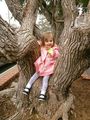
Note: Pic is Eleanor Vest, my granddaughter born 5 days following my Partner's passing.
Gerald W. Vest, ACSW/LISW/LMT
Organization Leader with Injured Warriors and Families, Professor Emeritus New Mexico State University
Las Cruces, NM 88005< More >
|
|
|
|
 5 Apr 2016 @ 18:42 5 Apr 2016 @ 18:42
Sharing my Life Today as a Holistic and Integrative Health
Practitioner, Here and Now!!!
By Gerald Vest, LISW, LMT Emeritus Professor, Integrative and Holistic Health Practitioner and Team Leader, SNM Injured Warrior Alliance
We are in this Life, all together. So when we realize we are talking to ourselves, Identify this “Thinking” and notice our tone of voice. The Pema Chodron Collection, “No Escape, No Problem,” p. 6.
Am sharing some Insights to liberate Being from my Mind and join her is my primary interest or focus and study, right now, with Life’s Great Adventure, interest and journey as I complete this physical being…. Free at Last from Fear, Ignorance, Judging and Punishing myself relates to my studies, practices and work history…Am never Perfect Enough for my Mind and Egos. I’m now happy with this understanding and appreciation of Life, Health, Relationships and Work. Om Ah Hum
Now, Being is experiencing everything in the Present, accepting allowing and perhaps recording everything eternally and all I have ever experienced--"Without Judgment"…so let’s no longer contaminate our mind with these 'unconscious' thoughts, fears and beliefs; furthermore, lets allow our Being to be open like the sky and All That Is….let go of things and thoughts so we can be spontaneous, open, honest, accepting and allowing (just like our Pets)…internal chatter is gossip that makes us look ugly, unfulfilled, superior-inferior and unable to care for ourselves and others…We are One Spirit…Sending Out my next Breath and 9 more as I observe my outbreath and exhale--allowing ”it”- my breath-to be soft and light filled energy, with love in my heart and expressing to Nature and all of Humanity fully, and, now with my whole Being, Sending Hugs filled with love and gratefulness to Humanity and Nature--We are One.Be Here Now!!!
We can ask God to Heal our Planet and All of our inhabitants…Now, our Being is in No Time-Space-Knowledge(Tarthang Tuku) and, is without a foundation or structure… our breath is our spirit connection, balance, relationship and am sending to ‘All that Is’….Beyond All Boundaries, Beyond the Beyond and Beyond that…..God Bless us All or we couldn’t "Be Here Now." Love this next breath and the next one as we are all joining Nature’s Breath…our One True, Beautiful Happy and Loving Spirit Being.
Picture is by Daughter Christy, Denver, CO....so beautiful as Nature Presents Herself. More >
|
|
|
|
 20 Mar 2016 @ 11:59 20 Mar 2016 @ 11:59
An Approaching Danger of Leadership in our Country
By
Gerald W. Vest, ACSW/LISW/LMT Professor Emeritus, NMSU; Organization Leader, Southern NM Injured Warrior Alliance and War Trauma Specialist
Perhaps we can discover a deeper meaning to the freedom and individualism that have inspired so much our success, and put them into practice within our own minds. If we could examine our present patterns of thought and action jeopardize the very qualities we most value, we might open our hearts and minds to a more comprehensive knowledge. (Tarthang Tulku, Knowledge of Freedom – Time to Change, p. 53.)
Taking care of Business and our Health every day is our way to provide for our self-preservation or meeting basic human need requirements…and, desires. Aside from this is an awareness that this activity is life support just like every creature on the planet must protect and secure itself. Seems our Instincts are covered over with thoughts, plans, ideas, fears, judgments and unfinished business in Life and Living. (And, taking psychiatric meds, blocks the natural flow of energy of the frontal lobe of the Brain where Reason and Right Action evolve. In Time-Self Lobotomy as introduced by Dr. Peter Breggin, leading psychiatrist disclosing their profession’s deadly cocktails). Doubt this comment, visit your local mental health, nursing homes, jails, prisons, schools, hospitals and VA.
Speaking of Basic Human Need Requirements for living—we are the only ones responsible for our Lives while awakening ourselves to our best possibilities—physically, mentally, emotionally and socially—we need everyone and everything inside and outside for maintaining a life as a Human Being. Returning to Nature as we Arrived…Innocent--Open, Accepting, Allowing, Experiencing everything in the present—All is New and All is Learning. We are making our Presentation in Nature along with our Pecan Trees, animals, insects and we feel very proud and able to take whatever we think we Need and the pleasure we experience at the Time (our Body and everything physical)…we have our Time as does this laptop allowing me to express myself in words and connect-interact with my brothers and sisters in my life. We Are One!!!
Am saying Happy 8 + 1 or 9 x 9=81 years on “Spaceship Earth” (B. Fuller) Currently, like most of us in America are experiencing, every day, throughout the day and night, on the Political News--Jokers Wild. I am witnessing what was historically identified or introduced as quality of Leadership-- Scholarship, Wisdom, Knowledge, Creative, Open, Honest, Respectful and Kind with others--guiding by example….in other words, we have few who can practice what they teach or preach in politics, religion and government—not honest, open, accepting, allowing and appreciating the opportunity to offer us the Best Possible Models for our next generations. NOT!!!
Wonder why we punish and put more humans in jail and prison than any other Modern Country? And, call this Christian? All about an “eye for an eye” mental condition…Fear of God, Sex, Sin and Death are the basis of our Justice System and essentially every social system, starting with the Family and see for ourselves how some of them manage on minimum wage with limited resources to offer them safety, love and security…especially when we have a political party called Red States Religion…they just don’t realize they are projecting their historical beliefs and tradition with the hatred for persons of color and especially our Blacks and Indians (Native-True Americans)
Not going to stop here as we are in an experience where we have no one at the Top we can Trust…Politicians are owned and controlled by the Corporations that make us their Slave. Everyone seems to be experiencing this disaster of Leadership in America in every System….all fail to serve Humanity and Nature—We are One!!!What affects One affects All, whether aware or not…”No Accidents in Nature, just Collisions of Energy.” (Oscar Ichazo) More >
|
|
|
|
 7 Mar 2016 @ 08:12 7 Mar 2016 @ 08:12
Please visit my StressOut and Integrative-Holistic Health Forum and the dozen or more Discussion Groups...great for teachers, researchers and health practitioners to present to their clients, patients, vets, acitive duty and especially families who have had to suffer with the lack of health resources and a Recovery Self Care Plan for more than a decade. [link]
I have 940 messages in this Discussion Group on War Post Traumatic Stress (Injuries). For those doing research and investigating the psychiatric scamming and drugging of everyone they visit with, usually for less than 15 minutes in the Military, just long enough to identify several symptoms to match a dangerous chemical. Beware of Western Psychiatry, Psychology and the Clinical Professions who believe or promote themselves as "Health Professionals"- Not, unless making referrals to holistic and integrative pro's while providing intensive and extensive Health Services...most identified in this Group and on my Southern NM Injured Warrior Alliance.
We Welcome Home our Vets and their Families with meaningful work opportunities, integrative & holistic health services, support groups, and a natural healing environment to join.
[link]
Picture is Eleanor Vest, Son, Patrick and Annie brought into Life, 5 days following the loss of Louise M. Vest, my life companion and partner for over 50 years. More >
|
|
|
|
 3 Feb 2016 @ 21:39 3 Feb 2016 @ 21:39
Dear Friends and Partners and Colleagues and Brothers and Sisters,
Seems we all know we are in a downturn of our society observing the politicians of our Country showing off and telling us what they will do for us if elected. We know they are in this theater for their own benefit and have only created great dangers for Humanity One. We spend 57 cents of every Tax $ to provide for the Pentagon to continue our Wars that never end...we are looking for Action as our society is just a Buyer Beware Economy and with short lived pleasures. Everyone is suffering with the exception of those who learn to find Teamwork with balance, harmony and equilibrium of our Mind.
I have just formed a team with some injured warriors and with Dr. Alton Kantor in Hawaii who served as a guest presenter in Integrative Health, Acupuncture, Meditation and Tai Chi during my tenure with NMSU School of Social Work, as some of you know. I want to encourage all of you leaders to form a team and contribute to improving the quality of life, health and relationships of our Society....Am introducing a short article about my feelings and experiences with teamwork. Hard to believe that our Health Promotion Teams gave over 10,000 StressOuts at NMSU and contributed to Diabetic Research Projects that became the "Best Practice" by American Diabetes Association for Past Decade. I also appreciate that over 165,000 participants viewed my website this past year, from over 25 countries, introducing our Mission. [link]
Teams are powerful and it is timely to identify at least 3 close partners who wish to bring healthy energy to our Communities for Change....most persons, couples and families are suffering with pain, separation, loss, fear, safety and security. Our Culture of Guns and Violence is increasing daily....Time to Change and form a Team to especially serve our Returning Warriors, Vets and their Families. They are being used, abused and neglected....come on, join and Help us develop Health Services by organizing and designing a Team that Works for you and our Returning Warriors and Vets from other Wars, primarily given "the cocktail drugs and shaft."
Would love to introduce our "Teamwork, Cooperation and Interaction Program" that we learned from Oscar Ichazo. When you have 3 or more interested team members or wish to join an existing Team let me know. Let's do The Work, Be the Work and Pass the Work!!! [link]
Best wishes, my friends,
See More
Southern NM Injured Warrior Alliance
We Welcome Home our Vets and their Families with meaningful work opportunities, integrative & holistic health services, support groups, and an environment…
[link] More >
|
|
|
|
 22 Jan 2016 @ 14:44 22 Jan 2016 @ 14:44
In their search for alternatives, a substantial number of therapists have discovered that the teachings of the Buddha offer the potential for deeper insight into the workings of mind. Tarthang Tulku, Mind over Matter, Reflections on Buddhism in the West.
I am the founder and first CEO of Chartiers MH/MR Center, Inc., Pgh, Pa.(1970-74) and departed after 5 years of successful health services for everyone entering our program. Unfortunately, when the mental hospitals were closed, psychiatry dumped their residents into our community, homeless, loaded with drugs, ECT, lobotomies and other treatments that reduce the frontal lobe of the brain. We cut their meds in half and connected them with a social worker and health advocates for nutrition, safety and security. Unfortunately, the mission of Health is lost once psychiatric protocols go into operation. [link]
I just learned that they changed their name and thought I would share some of my experience with you. This change from the closure of mental hospitals opened up enormous changes for those of us learning and teaching Integrative and Holistic Health Practices. Now we are living in the age of drugging everyone to oblivion while giving them some Psychic Tattoo (Disorder Label) and no one has ever recovered from this disease or illness and psychiatry has tried just about every possible torture devise available. Now, patients are lobotomizing themselves with the evidence of the shrinking of the frontal lobe of the brain...where we reason or not.
Any comments are encouraged as we are in an epidemic of lobotomies-memory loss beginning to show up after several years taking these antipsychotics and other meds. Please visit our website where we introduce our Injured Warriors to health practices that help them recover and restore their lives following over 20 yrs. of wars...every physical, mental, emotional, spiritual and social system is injured to the core and takes several years of nutrition, exercise, meditation, body work, group processing, family support, and, most importantly a professional, individualized Self Care Plan that identifies and works all of the Systems. SNM Alliance with Injured Warriors
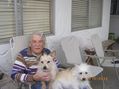
Note: Pic is me holding Aley and Jack, both rescued creatures who have found their place in my heart...my buddies forever.... More >
|
|
|
|
 11 Jan 2016 @ 17:09 11 Jan 2016 @ 17:09
Learning to Discover and Follow our Thoughts to Completion to Develop Awareness
by Gerald W. Vest, ACSW, LISW, LMT and Professor Emeritus
"On the surface of experience, thoughts come and go quickly, even instantaneously. One event succeeds another, one reaction follows the next in a powerful momentum that structures linear time. Let yourself become aware of this dynamic and the rhythm that supports it. Gradually introduce a different rhythm: As a single feeling or emotion or thought arises, enter into it and abide there--as though you would be ready to live your life right within that experience." Tarthang Tulku, Dynamics of Time and Space-Transcending Limits on Knowledge,, p.262.
Following a thought is such a good meditation experience to play and entertain ourselves when the other media-news, sports, games, etc, and other activities are no longer attractive. So I am learning to observe these thoughts that keep me tuned in to ‘their’ message, while another arrives and doesn’t want to leave or won’t depart until recognized. These thoughts continue to return until we attend or pay attention to them…they are introducing something of value or not…a message, a reminder, a wish, a fear while we would like to have said goodbye to them forever and ever. Linear thinking is the way of our Mind until we learn to join our Mind with our Witness.
Developing our Awareness is now our Work to take charge of…in the sense that these thoughts have a beginning, middle and ending. Completing themselves (thought mission) and not returning is part of their operation that I am examining. AH!!! Lots of pain and suffering comes with these energy giants that take our heart and soul while along comes feelings or thoughts of “what the fuck”- hopelessness….this is just how powerful these THOUGHTS can be when we lose awareness of them and don’t address them.
Now is the Time for all of us to use our natural ability to transcend thoughts and learn to transform these energy giants into Space…. Let’s free ourselves from ‘internal chatter’ that we take so personal and allow these thoughts to torture us for years and are located somewhere in the Mind….some thoughts want priority while others even offer a Solution to a question or concern we may have…..Our Mind is Perfect. We can learn to listen to our real quiet and calm being as we develop our practice regularly and with awareness of the activity of our Mind. We can learn to support our lives, our health and our relationships with the Open, Honest, Accepting and Allowing Creatures of Nature, designed with an opportunity and ability to develop and maintain Awareness of our Mind. Our Mind and Being are our Best Friends and Companions forever…We are One!!!
My Guide and Teacher, Tarthang Tuku, introduces us to many meditation practices that helps me discover and learn to become more whole, balanced and enjoy my visit to Spaceship Earth, as Buckminster Fuller describes our adventure through Space. There is so much in this environment to join with and learn from when our Knowledge is being presented with Awareness. Notice also how important Safe, Skillful and Nourishing-Healthy Touch improves the quality of life, health and relationships that are not accepted by the sick care profession that only promotes drugs and labels--cut, burn, poison and zap is the way of Western Medicine...no one recovers from Disorders without healthy touch. [link]
Note: Picture by Robin Woolley, LISW, SNM Alliance School Social Worker and Team Leader
See Bibliography: [link] More >
|
|
|
|
 5 Jan 2016 @ 17:46 5 Jan 2016 @ 17:46
Beware of Charlatans and Scammers in our Social Networks-Got Me!!!
"One thing we can be sure of in life is that we do not know everything. We have no certain knowledge of the past from which we came nor to the future we are proceeding. We may not even know the present condition of our bodies, minds and feelings." Tarthang Tulku, Tibetan Meditation-Practical teaching and step-by-step exercises on how to live in harmony,peace and happiness
Knowledge is a special concept that is just accepted as fact, yet we rarely examine where our Truth comes from or how we Know what we Know. Has to be our Experience as this is our only way to know for certain that we have learned from our actions, reactions and non-actions. (Every action produces a reaction and some form of response while our Witness observes and accepts everything….the balance point and equilibrium are in the experience with us.)
I am visiting my Tarot Cards to examine how learning takes place as we join our Nature-Nurture as the Fool. Wonder how many kids and babies will be watching the Super Bowl, sporting events and doing what parents enjoy without also attending to the Whole Family.
I am a Fool who has allowed my thoughts to over-take reasonable action. I have been caught in an Internet Scam thinking one of the characters was a very good friend guiding me as the Scammer uses my long-term friend’s FB identity with his persuasion to get my $’s to cover the costs of a large transaction from abroad.
I never thought I could fall for such deceit and lies but my loyalty was used and placed with a long-term friend’s Face Book (FB) page taken over by the scammer. After calling and talking with him about this experience, he informed me that others had also been scammed using his old account and advised him to contact FB about this misuse of his identify.
The Scammer’s FB Page identified himself as a government employee and both participants (really one) had a similar story about how I was selected for this Award to pay for health services for my Injured Warriors and Families. A huge International prize was to be awarded so I could serve our vets with all the health services at no cost. So, the charges to receive this gift were passed on to me, step by step, had to be paid up-front, in advance and the check is waiting at the border so taxes, insurance, delivery and other requirements came with adding $’s on to my “investment.”
What started to add up was the way both called me Gerald while all my friends, including this one, know I go by ‘Jerry.’ The final request was for me to get a loan for several thousand $’s that made me examine everything I was doing to fall into this dark well and cloudy vision of success and wealth.
I know now that we must always know that we live in a ‘buyer beware’ economy where business as usual is to get as much as they can out of their customer, product, service and scam. We fall for these rackets as we’ve lived with them for our entire life and have not learned to follow our Truth, our Experience, our Knowledge and our Instincts.
I am very ashamed and embarrassed about being used and trapped by my own inhabitant of increasing my wealth to improve services and even employ some professionals to give free Holistic and Integrative Health Services to our Returning Warriors and Families. Didn’t sleep much last night as I reviewed my experience from beginning to end, shared my experience with my Daughter, who I have also been wanting to help her through some challenging life experiences with faulty cars, 3 teenagers needing support in private school and soon the oldest granddaughter will be attending our University this coming Fall semester.
Now I am sharing this to open my mind to the whole game of deceit, fear, ignorance and greed (always wanting more than I “need.”) I am also cautioning others about scammers taking on identities of friends who we believe in and, even with the best of intentions for using the $’s for service, is not using our Mind to separate, “fact from fiction” and help guide us through the cloudy vision of making a more successful life with additional money.
I also learned that my four values of being human, rely on honesty, openness, accepting and allowing ourselves to Join our Nature with God’s Nature….as our Tarot-Tora or Laws are designed to show us, in the Cards, starting with our Fool in the First Position, standing on a cliff, being warned by society (the little dog) how these experiences in Life, Health and Relationships are manifested to help us achieve and complete our lives successfully by Learning about ‘every step we take’ in life to improve ourselves. We have to Fall into the Ravine and get swallowed up by our Society that is also learning to awaken Consciousness and Awareness.
I now know I am vulnerable, trusting, caring and respectful of others; however, we can be cheated, deceived and used when we don’t learn about our processes of becoming whole and integrative beings. Learning to Trust others in our Country and beyond is a life long journey to become fully human and social creatures. Our social networking can lead us into challenging relationships when we lose sight of our reason for being on Planet Earth—awakening our Minds and Consciousness so we do not fall into the ravine and get swallowed up by the Alligators-Tricksters-Scammers, out to take advantage of others and our innocence. Learned this also from a very good and wise daughter, "…when someone is asking for money to give you special funds, it is probably a SCAM."
Gerald W. Vest, ACSW/LISW/LMT
Injured Warrior, Provider--Individual, Couple, Family & Group
Holistic & Integrative Health Practitioner & Professor Emeritus NMSU
Las Cruces, NM 88005 More >
|
|
|
|
 11 Dec 2015 @ 18:01 11 Dec 2015 @ 18:01
Giving Everything a Name is the Nature of Education—Even if Not in Existence
By
Gerald W. Vest, ACSW, LISW, LMT
"When we cannot trust the stability or intensions of others, what freedom actually remains to us? We live in fear on the streets and in our homes; we lock our doors, instill fear in our children, and arm ourselves. In the name of our own personal freedom, we may feel compelled to demand stronger laws....And few of us would be happy living in a society where security and stability depended solely upon increased restrictions and every harsher enforcement of the law." Tarthang Tulku, Knowledge of Freedom - Time to Change, p. 50.
We were told early on that using God’s name in vain will make us suffer and we will go to Hell…don’t remember the exact message given us by our adults—parents, teachers, coaches, preachers and others in charge and other religious beings assuming responsibility for our behavior and our manners; however, I have a different and less punishing question. What if we didn’t give our Creator and Creation a Name in the first place? Then, there could be no laws broken and no one ever gets put to death for not accepting “god’s rules” – beliefs, fear, prejudice and assumptions are only accepted and taught with “Religion’s Laws.”
What is in the Name? Our sciences around the World are continually looking to find something New-Unique to identify and Name. Even if something can’t be seen or observed like our early creatures of all kinds, scientists extend their naming beyond our universe with telescopes and many invisible energies with a microscope. Our physical and social Anthropology can be very proud of its Work to learn about all of our Inhabitants physically, mentally, emotionally, socially, spiritually and how all is in total interaction and relationship with Nature and with others—and, with All that Is in Existence. Very adventurous professions to go everywhere and investigate how everything becomes developed, evolves and meets basic need requirements for living a complete life.
Seems we humans are curious, can’t learn without naming everything and examining it to assure ourselves we are safe, secure and won’t be harmed. We are very delicate and sensitive beings physically, mentally, emotionally, spiritually and socially as we witness and observe our life experiences as child, adolescent, young adult, adult and now elder.
Seems that the names we give everything and everyone is to identify the changes that accompany them and us with measurements of Time. We and everything Physical has its own Time as introduced in our Particle and Metaphysical sciences…and, the Atom, not unlike Adam and Eve stories of uniting their body parts are to be introduced in concepts that are often considered anti-social…sexual encounters and the active and attractive energies uniting one another without judgment, fear, ignorance and prejudice. Everything, is just an expression of being, experiencing and especially with humans, feeling left out of life, health and relationships….so we had better maintain and support our vital energy with total honesty, openness, acceptance of All, while allowing total interaction, relationships and learning to interact and relate responsibly and respectfully as Human Beings.
Note: Pic is Eleanor, my granddaughter born few days following loss of my Partner, Louise.
Gerald W. Vest, ACSW/LISW/LMT
Injured Warrior, TRICARE Provider--Individual, Couple, Family & Group
Holistic & Integrative Health Practitioner & Professor Emeritus NMSU
Las Cruces, NM 88005
Website: [link]
575.524.2379 More >
|
|
|
|
 18 Nov 2015 @ 14:47 18 Nov 2015 @ 14:47
ILLUMINATION THERAPY
FAMILY CONSTELLATION WORKSHOP
With Cecilia Richardson
FAMILY CONSTELLATION is a method of therapy that heals at the level of the Soul. It was developed by Bert Hellinger, a revolutionary German Psychotherapist.
Bert observed, through working with families, that there are some basic laws that operate in the family system. These laws act like a 'force' that compels members of a later generation to act, behave, feel, and basically repeat the painful experiences of an Ancestors or relatives who were rejected or excluded from the family, independent of the reason. This 'force' says, everyone has the same right to belong and seeks to restore balance.
Upcoming Workshop
Date: December 5, 2015
Time: 9AM to 5:30PM
Location: 337 N Alameda Blvd, Las Cruces, NM 88005. Pink buildings, in the back/upstairs.
Who should attend: Anyone with issues in relationships, health, family, career, etc. However, this is an introductory Workshop directed toward the Veterans and their Helpers, with special pricing being offered:
Veterans: Free of charge
Participants to observe and/or be Representatives: 30.00
Participants who want their issues worked on: 100.00
Space is limited, so the first 15 to register will be the chosen participants.
There will be snacks, water, and some other refreshments. But feel free to bring some food if you so desire.
To register, please contact Jerry Vest.
For more information, please google: Center for Systemic Constellation Work or
Center for Systemic Constellation Work The Hellinger Institute of Northern California
Gerald W. Vest, ACSW/LISW/LMT
Injured Warrior, TRICARE Provider--Individual, Couple, Family & Group
Holistic & Integrative Health Practitioner & Professor Emeritus NMSU
Las Cruces, NM 88005
575.524.2379 More >
|
|
|
|
 6 Nov 2015 @ 17:09 6 Nov 2015 @ 17:09
Joining our Human Nature with Nature – A teamwork course in developing and maintaining our whole being with integrative and holistic health practices
By
Gerald Vest, ACSW, LISW, LMT Emeritus Professor, SNM Alliance Organization Leader and War Trauma Holistic Health Practitioner
Introduction: Participate in our Integrative and Holistic Health Program, designed to introduce and become aware of our Ego Contradictions of Mind, conflicting with our Unique-One of a Kind-Being—our Essence.
Resources: Knowledge of Freedom-Time to Change; Between Metaphysics and Protoanalysis; Master Level Exercises-PCal; Tibetan Meditation; various Gestalt Strategies that offer us a direct experience with our Mind while clarifying our consciousness and working our whole being physically, mentally, emotionally, spiritually and socially.
**********************************************************************************
This is a personal experience as everyone in our life has touched us and helped unite with our True Being-Essence-Witness-Setting-Experience-Presence-Presentation-Awareness-Consciousness—“Free at Last”—thank you all, and especially Dr. King as we are finally beginning to open up some Light in the Minds of many social beings.
Color separates and divides us as Humanity One, while our True Colors are manifestations as a Rainbow with 9 colors. I love Anthropology, however, their separation of us as a species, by Color; the Psychologists separating us with Disorders; the Religions, perhaps unknowingly, divide us while using Sharia Law—‘eye for an eye’—extremely punishing as exists with our Justice System here in USA (Un-united states of America) and using scripture or dogma to promote Fear, Ancient-Historical fascination, and suggesting that these “beliefs” are true and God’s Laws.
“Love Thy Neighbor”….notice how our Borders are getting so much attention…Keep our Neighbors OUT is the Republican Party Mantra. The religious zealots are actively engaged in controlling everyone and everything, including women’s sex, vagina and fetus.
Come on, let’s climb out of the sewer pipes as we have unleashed some terrible slime against Humanity One in the name of Freedom…freedom from America is becoming the mantra of the World as we are the greatest exporter of weapons of war with the greatest arsenal of WMD’s. Incarcerate more of our citizens than other nations. Seems people we elect to serve our country and our inhabitants love War, Power, Control and Ownership of everything corporations can get their greedy hands on. Police are taking justice into their hands as is evident with their daily murders, arrests and assaults, especially on minorities.
We can do better with a daily health care plan, support team, meaningful work and eagerness with commitment to Join Change—Time to Change is Now!
Course Design: 8-15 Participant-Team Members joining together bi-weekly and interested in learning various integrative health practices to improve the quality of our lives, health and relationships.
Goals: Introduce Integrative and Holistic Health Practices using our Continuum of Awareness and Mindfulness exercises to open us up while releasing and surrounding our pain and suffering with conscious breathing exercises—followed with holistic health practices: Chair and Body Massage, Reiki, Yoga, Tai Chi, Chi gong-Kath States, Psychocalisthenics-Master Level Exercises (23 Asana postures coordinated with the Breath, uniting all of our physical, mental, emotional, spiritual and social systems)--all are meditation practices developing our Strength, Coordination, Balance and Flexibility for life--physically, mentally, emotionally, spiritually, while creating, maintaining, sustaining and supporting our relationships with our family, colleagues, and others. While sharing our recognition that we are unique creatures, designed as creative Beings and, Joining Together as One with Nature and All that Is.
If interested in signing up for this course of study of our Divine Nature using these Health Resources to develop our whole being, contact me. Let me know if you are willing to organize and serve as team leader for your Team and introduce our practices and resources at bi-weekly meeting.
I will initiate the course with sufficient interest introducing Tibetan Meditation, Tarthang Tulku and other health and healing practices noted. (see Bibliography, [link]
Also, visit my introduction to Meditation that introduces the benefits and results of daily practice. [link]
****************************************************************************
Note: See this organization design adapted for this 3 month training introducing various aspects of our course. CEU’s Provided.[link]
Gerald W. Vest, ACSW/LISW/LMT
Injured Warrior, TRICARE Provider--Individual, Couple, Family & Group
Holistic & Integrative Health Practitioner & Professor Emeritus NMSU
Las Cruces, NM 88005 [link]
575.524.2379 More >
|
|
|
|
 4 Nov 2015 @ 15:32 4 Nov 2015 @ 15:32
Witnessing and Calming Thought Storms
By
Gerald W. Vest, ACSW/LISW/LMT Emeritus Professor
A Thought in our Mind and one that follows can be observed and determined to continue or not. Thus, we won’t have to be caught up emotionally in the drama, stress, theatre and passion by learning to observe and witness our breath. Our Breath becomes our instrument or tool to maintain Balance and Equilibrium of Body, Mind, Emotions, Spirit and Relations. “Let your Breath Chart your Rhythms.” (Tarthang Tulku, Gesture of Balance)
We have a tendency to hold on to almost everything, even our Breath, not realizing that our Mind is ‘wide open.’ Mind accepts and allows our senses and other systems to measure, interpret, analyze, judge, evaluate, assess, inquire, examine, while on the other side of the dichotomy: Mind can drive us crazy by triggering worries, actions, plans, associations, fear, ignorance, prejudice, jealousy, envy and many more human ‘inhabitants’ and ‘beliefs’ that dominate and control us as we are delicate, sensitive and fearful creatures. Stress, Anxiety and Depression are the outcome of not being able to Witness, Accept and Allow our Mind to be our Best Friend and Companion for life.
As students and teachers of our Mind, we have learned to calm ‘her’ and allow her to rest, relax and enjoy Freedom. When we get carried away with the past and our unfinished businesses (karma) of this life and others, we can use Mudras that produce a calming effect of our Passion (fear, jealousy, anger, etc), beyond words and thoughts. For example, holding broad swords and crossing your arms in front of chest, produces Courage, releases fear from our heart center and opens up our ability to relate more openly with ourselves and others. (See, "King of Hearts," The Tarot.)
Everything of Mind is remembered, not always recalled, however, associations of life experiences, interaction and relationships connect us with Mind as an internal and computer type that records everything of value or not. (see, Ichazo, Between Metaphysics and Protoanalysis as Oscar introduces systemic approaches to clarifying our Mind and joining Consciousness--True Nature. “Freedom=No Effect)”
So this is what my Mind is sharing with humanity and with me at this moment that has passed, now recording thoughts as they arrive to introduce and experience Breathing with Awareness of Mind.
As we begin to become aware of the vast thoughts entering our Mind we can observe Nature as she unfolds her wings and freely continues her function with Life, Health and Relationships.
One example, perhaps by association, right now I see birds flying in many varied formations, one leading the pack, yet changes position with another as they move through space. And, one or two of the flock are very independent and take off in another direction, knowing they will catch up if they wish….fearless and courageous these beautiful creatures, so delicate yet brave, encountering many storms and other energy ‘forces’ that often take humans ‘Out’ of life, health and relationships.
Note: Visit my Bibliography for these integrative and holistic health resources.
Gerald W. Vest, ACSW/LISW/LMT
SNM Injured Warrior Alliance, Integrative and Holistic Health Provider--Individual, Couple, Family & Group, Professor Emeritus NMSU
Las Cruces, NM 88005
575.524.2379 More >
|
|
|
|
 23 Sep 2015 @ 17:34 23 Sep 2015 @ 17:34
Chanting “Om Ah Hum” by Gerald Vest, ACSW/LISW/LMT, Southern NM Alliance with Injured Warriors and Families
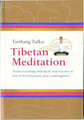
The sound of the Mantra (Om Ah Hum) can still the mind and senses, relax the body and connect us with a healing energy. (p. 96, Tarthang Tulku)
I love this exercise introduced by Tarthang Tulku in Tibetan Meditation and have been expressing and experiencing this Mantra for well over 40 years. However, with Tarthang’s directions, these energies of Knowledge will flow into our Being--Mind-Body-Spirit, from what we consider our external Nature—Outside of Self.
This energy experience is not subtle for me as my mind becomes electric and stimulating while my whole Being is vibrating and eager to express itself. Am listening to these messages--Called into my Mind with OM; Accepting Knowledge with the Sound of AH in my Throat; and, Passing this Knowledge and Out-Breath to Humanity One with HUM in my Heart. “Om Ah Hum.”
I practice this exercise several times throughout the day internally and during formal sittings or outside joining Nature, and Opening Mind to all the Energy manifested in Nature.
Gerald W. Vest, ACSW/LISW/LMT
Injured Warrior, TRICARE Provider--Individual, Couple, Family & Group
Holistic & Integrative Health Practitioner & Professor Emeritus NMSU
Las Cruces, NM 88005
[link] More >
|
|
Page: 1 2 3 4 5 6 7 8 9 10 11 Older entries >> |
|
In these articles, I introduce the basic need for human touch. While there is strong evidence that our society and human family are becoming an endangered species, many governments, such as the USA, pay little, if any attention, to global warming, nuclear stock piles, environment, natural and economic disasters, poverty, abuse, neglect, pandemic health diseases, and growing military-industrial monopolies.
While many of us are aware of these pending and current disasters, organizations such as New Civilization, are hoping to awaken humanity through mindfulness, virtual interaction on the Internet, and forming healthy, respectful alliances to make a difference and change the direction we are heading.
Our health promotion team is a small effort, but hopefully an expanding opportunity, to awaken individuals, couples, families, groups, organizations and commuities to an awareness that touch, respect and love are basic human needs for survival and wellbeing.
Obviously, there are serious considerations for being circumspect and skillful in offering touch as a conscious intervention in the workplace or in a family environment. Guidelines for the safe use of touch include:
- providing the option for participants to self-administer our program;
- receiving permission to touch and reminding participants that contact is always in safe areas;
- having witnesses or partners present;
- teaching the activity to others so that they can be the givers of the stressout program;
- encouraging participants to use the teaching video and study guide (Vest,1995)if the worker chooses not to make physical contact.
Join with us in advancing the use of healthy, respectful and loving touch throughout the world. We are One. |
| Mon | Tue | Wed | Thu | Fri | Sat | Sun |
|---|
|
|
|
|
|
1 |
2 |
| 3 |
4 |
5 |
6 |
7 |
8 |
9 |
| 10 |
11 |
12 |
13 |
14 |
15 |
16 |
| 17 |
18 |
19 |
20 |
21 |
22 |
23 |
| 24 |
25 |
26 |
27 |
28 |
29 |
30 |
31 |
|
|


