|
|
 20 Sep 2012 @ 13:29 20 Sep 2012 @ 13:29
Serving Injured Warriors & Families with Integrative and Holistic Health Practices
The key to natural protection from emotional stress and tension is mindfulness of the breath. Tarthang Tulku, Knowledge of Freedom-Time to Change. [link]
Gerald W. Vest, LISW, LMT
UNM Hospitals TRICARE & MilitaryOne Source(ValueOptions) Provider
Integrative Holistic Health Practitioner
Served over 200 Injured Warriors, Vets--Individual, Couple, Family & Groups - Las Cruces, El Paso & White Sands Area. Former, Senior Social Worker, Ft. Bliss Restoration & Resilience Center (R & R Center)—World Premiere Integrative and Holistic Health Center. Professor Emeritus, NMSU, served 25 Years, Stress Management & Health Promotion Trainer, Ft. Bliss, US Army Community Services (ACS).
***************************************
War PTSd is an INJURY of great proportion affecting the physical, mental, emotional, spiritual and social systems and must be treated intensively and extensively with health services identified in my webpage.
***************************************
Learn Strategic Breathing to balance emotions, prevent panic, depression & anxiety; calm the mind of internal chatter; release & ground strong energies of anger, fear, agitation, worries, isolation & irritability; relieve sleep deprivation with breathing, progressive relaxation & meditation; learn skillful touch, group therapy & moving exercises. Experience partner meditation for strengthening and improving lives, health, relationships and bonding. Pre & post-deployment health promotion exercises & approaches are learned and practiced for balancing the whole being. The “Best Practice,” 15-Minute Stress-Out Program, incorporating the Continuum of Awareness & Mindfulness, is learned for transforming karmic trauma experiences and developing relaxation, awareness and learning while Engaging Injured Warriors and their Families with Integrative & Holistic Health Practices. Contact me for workshops, seminars and health promotion programs with our Las Cruces Injured Warrior Stress Management Team.
******************************
Contact Information: 472 Van Patten, LC, NM, 88005 – Jerry’s US ARMY Health Studio for Appointment:
575.524.2379 or 575.642.1291 cell
[link] More >
|
|
|
|
 17 Aug 2012 @ 15:02 17 Aug 2012 @ 15:02
When we learn to deal directly with our complaints and difficulties, romanticized ideas about the spiritual path are no longer meaningful. We see that what is important is to always be aware of our thoughts, feelings and actions. (Tarthang Tulku, Tibetan Meditation-Practical teachings and step-by-step exercises on how to live in harmony, peace and happiness, (2006, p. 44)
Army Suicides Doubled Last Month From June's Total [link]
WASHINGTON -- Suicides among active-duty soldiers in July more than doubled from June, accelerating a trend throughout the military this year that has prompted Pentagon leaders to redouble efforts to solve a puzzling problem. The Army, which is the only branch of the military that issues monthly press statements on suicides, said 26 active-duty soldiers killed themselves in July, compared with 12 in June.
Community Collaborative Action Plan
"Because we lack the resources to respond effectively to pain, our emotions can easily override our reason and back us into a dark corner of despair. When Life experiences become overwhelmingly painful, we may even choose to end our lives prematurely: the final gesture of avoiding realities we have never trained ourselves to confront." (Tarthang Tulku, Knowledge of Freedom - Time to Change)
Introduction
Health, Education, Military, Welfare & Justice Communities, in collaboration with the VA, Warrior Transition Programs, Behavioral Health & Army Community Services can do the following: 1) identify returning warriors and their families coming home; 2) connect every injured warrior & family with a trained community service advocate-battle buddy; 3) engage family with intensive & extensive health services; and, 4) introduce them to a professional self-care plan so they can heal, improve and restore their health and wellbeing.
Welcome home our returning vets, warriors, and families with health services and support them while they "join nature," transition from their military culture, and design & develop opportunities for them to improve the quality of their work, lives, health and relationships. It's time for our Vet support and community health, education, welfare & justice programs to create this action plan so we can prevent further despair, disillusionment and suicides. See our model health services program without using injurious labels and antipsychotic drugs. [link]
************************************
Call for Community Support Advocates-- Serving Injured, Wounded Warriors, Vets and their Families--A Transitional Health, Wellness, Aftercare & Continuing Care Services Program Plan.
***************************************
NEW!!! Visit my Meditation Page describing research and benefits of learning to relax, slow down our minds and restore our health and wellbeing.
More >
|
|
|
|
 15 Jun 2012 @ 15:41 15 Jun 2012 @ 15:41
Fort Biss Restoration & Resilience Center Meditation Program by Gerald W. Vest, LISW, LMT
Forget Descriptions of meditation and just sit quietly. Be very still and relaxed, and do not try to do anything. Let everything--thoughts, feelings, and concepts--go through your mind unheeded. Do not grasp at ideas or thoughts as they come and go or try to manipulate them. When you feel you have to do something in your meditation, you only make it harder. Let meditation do itself. (Tarthang Tulku, Openness Mind.)
Our Ft. Bliss Restoration & Resilience Center provided several forms of meditation opportunities and experiences Monday thru Thursday for 30 minute sessions or more. These experiences were offered to empower Injured Warriors to balance body, mind, emotions and spirit and for the development of awareness (Mindfulness) and self-healing.
1445-1515 Daily--A Guided Progressive Relaxation/Meditation
1200-1230 Wed--A Sitting Meditation in our R & R Meditation Room with staff & Warriors
There are numerous forms of sitting and moving meditations that are introduced in our center as an integral part of our health approaches and methods. As we learn to practice meditation we also learn to become naturally calm, relaxed and at ease with ourselves and others. Our sleep improves, we reduce our anger, agitation and restlessness. Our relationships become more positive as we find ourselves becoming less reactive and argumentative.
The Benefits of Meditation by Dr. Matthew Ricard (Outline)
The following outline introduces the results of meditation; accomplishments in your life; conditions of health & wellness; and describes the results of long-term research in the study of meditation. These benefits are abstracted from Dr. Ricard's research and presentation by Gerald W. Vest, LISW, LMT, R&R Center, Senior Social Worker and Coordinator of Meditation, Ft. Bliss, TX.
"What brings fulfillment and accomplishments in your life?"
Meditation results: openness, compassion, inner peace, confidence to be of service to others.
o To be ready for others
o To be strong and contribute to the life of our families and others
o Joy to be alive
o Develops our state of mind
o Teaches us about our mind
Conditions of wellbeing-
o We can change mind to be accepting, allowing and appreciating
o We can learn how to nurture positive and healthy conditions
o We can develop an open mind
o We can develop dignity and loving kindness -- inner peace and contentment and become a world being or a human being with respect for our world
Happiness as a way of being-
o Meditation develops the power of transformation of mind
o Releases the vibration of suffering
o Produces luminous cognition or awareness
More on Meditation and Mindfulness-
o To cultivate our sense of wellbeing
o To develop new qualities
o To maintain inner calm, compassion, lovingkindness and to learn to maintain a constant state of joy and promise
Transcending Anger-
o As you observe your breathing, gaze or look at "it"
o See the fire of anger
o Deal with "it" through awareness and breathing (Venting anger only reinforces "it")
o Bring some change to your mind by observing your actions, reactions and interactions
Sustained Mind Training (meditating for 30 minutes every day)-
o Provides an opening and learning of compassion
o Human goodness is discovered
o Meditation is a natural experience
o Love and compassion permeates the whole mind with no other consideration
See my Bibliography for other resources to support your Practice and for Learning to Balance the whole being--physically, mentally, emotionally, spiritually and socially.
Note: Meditation is incorporated in my Professional Self Care Plan to support the healing, restoration and resilience of all of my Injured Warriors and their Families.
Contact Information to participate in my Meditation & Integrative and Holistic Health Practices.
More >
|
|
|
|
 1 Jun 2012 @ 13:54 1 Jun 2012 @ 13:54
If we can find ways to awaken the full power of awareness, we could enter a new phase of human evolution and revitalize ourselves and our world. Knowledge of Freedom by Tarthang Tulku, p. 357
Please visit these psychiatric labels and Name Change Petitions for identifying PTSD to PTSI (Injury). We have national support and are serving as an appeal and Voice for Change on our Websites....read comments of vets and others who live the experience of being "Disordered". The DSM Label is not respectful and causes great harm as injured service members can restore their health and wellbeing with integrative & holistic health services. The "DISORDER" lable sticks on their psyche and record for life.
Also, many medical and military leaders share their understanding, knowledge and wisdom on the website about changing this harmful label for our Returning Warriors & Families.
Do sign our Petitions and do the right thing for our "Injured" Warriors. We may save the lives of those who don't want this sick care identification tag on their Resume for Life.
jerry
US Army Trauma Therapist & Social Worker, Advocate, and Integrative & Holistic Health Community Organizer.
[link]
and
[link] Please sign my Petition. More >
|
|
|
|
 4 Mar 2012 @ 16:14 4 Mar 2012 @ 16:14
Injured Warrior Alliances - Serving Injured Warriors, Vets & Families with Integrative Health Practices.
Feb. 22, 2012, 1:30-5:00pm – “Welcome Home with Daryl Worley – our returning warriors giving the StressOut with elder Vets in Nursing Home.”See, Article - Ft. Bliss Monitor
[link] (Video by SSG Paul Jeffers--A true welcome home for new returning Warriors giving StressOuts and visiting with their elder Brother & Sister Warriors.)
Presentation Outline
1) Jerry Vest’s Team Presentation/Workshop, NASW-NM Conference Workshop, Welcome Returning Warriors, Vets and your Families;
2) Engaging Injured Warriors & Families with extensive & intensive Integrative & Holistic Health Practices; 15 Minute StressOut-Melting; Fight-Freeze-Flight Nervous System Reaction in War & grounding energy & agitation; calming & slowing down the Mind with breath & meditation;
3) Using the Power of Touch & Vitality of Breath to reconnect, restore our health and recover from this catastrophic injury affecting body, mind, emotions, spirit and social relationships, especially the family;
a. Practice Experiences…..Breathing—Integration Breath followed by “Laying on of Hands – Melting” [link]
b. Developing Mindfulness & Meditation experience with breathing & color—focus on Kath Point (three finger widths beneath navel—lower belly, palms of hands and soles of feet – Color Red—element Fire.)
NOTE: While exchanging the "Laying on of Hands & Breathing together, the Power of Touch unites with the Vitality of the Breath. Our energies produce a calming effect as our instincts will be safe and trusting. We are also developing our breathing awareness throughout the experience of "Melting."--a transcendal Empathic Connection, Relationship-Compassion. This Partner Breathing Awareness exercise assists us with joining and being One with our "internal breath"...very calming and peaceful--Mindfulness. see our [link]
Primary Goals of Integrative Health Alliances – Modeled after world premier Ft Bliss Restoration & Resilience Center (R & R)—Join us as a Collaborative
1) Identify every returning Warrior, Vet & Family returning to our communities;
2) Develop Professional Integrative Health Self-Care Plan with NIWA Support Group;
3) Assign and connect our trained & certified Community Support Advocate-Battle Buddy with every Warrior, Veteran and their Families;
4) Experience intensive & extensive Integrative Health & Education Services
Alliance Health, Education, Restoration & Resilience Engagement Plan
Our NIWA Community will do everything possible to help our participant members restore health and recover from catastrophic injuries that affect their Whole Being. Evidence shows that every physical, mental, emotional, spiritual, and social-family health system is in the process of healing, and recovery from extensive tours of duty. War Trauma is a natural human response with enormous stress on every organ affecting the mental, emotional, physical, spiritual, and social systems. Our Alliance views WarPost Traumatic Stress as a catastrophic Injury of great proportion and intensity.
Stress, Anxiety and Depression are the basic symptoms or killers of the human being’s body, mind and spirit. There is significant evidence that War Trauma produces this extensive injury to the whole being, beyond the Behavioral Health’s ability to measure this debilitating injury with validity and reliability tools. Some schools of thought suggest that using the mental health DISORDER Label (DSM) prevents most injured warriors from seeking treatment . Our response to Welcoming Home and Engaging our Injured Warriors and their Families is with health & healing, love, appreciation for their service, compassion, respect, caring and offering Comprehensive, Extensive & Intensive Integrative Health Practices; with a Community Support Advocate or Battle Buddy; with a Professional Self-Care and Family Plan; and, with a commitment to transcend and transform injuries into health, restoration & resilience. We recognizes that our Returning Warriors, Vets and their Families are our Country’s greatest treasure and will not be left out and we will not “…leave a fallen comrade”…without health, services and resources.
**********************
Ft Bliss Restoration & Resilience Center – “Coin” – The Wolf-Pack – Coming Home Strong
“I Will Always Place the Mission First; I Will Never Accept Defeat; I Will Never Quit; I Will Never Leave a Fallen Comrade”
Thank you for joining with our Injured Warrior Alliance to advance the quality of our lives, health and relationships.
Acknowledgement (picture)
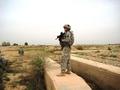
SSG Lance Bradford, decorated, injured, and wounded warrior--Bronze Star with Valor & Purple Heart returns to Iraq 3 following extensive and intensive integrative health treatment, Ft. Bliss Restoration & Resilience Center & Warrior Transition Battalion. We Salute You Lance for your Dedication, Courage, Devotion and Honor for our Country. We look forward to a safe return for you and all of our great Warriors and their Families.
Injured Warrior Alliance – Organization Leadership
Gerald Vest, LISW/LMT, Vet. Tricare Provider & Organizer; Jennifer Switzer, MA, LMSW¸ I &R Advocate Specialist
Contact: [email protected]
More >
|
|
|
|
 11 Feb 2012 @ 16:08 11 Feb 2012 @ 16:08
While maintaining mindfulness and conscious awareness of our Breath, can our experience with Nature be Witnessed as our Being and with our True Nature?
Perhaps, one of the most important questions we can ask ourselves and others--What is Happening--Physically, Mentally, Emotionally, Spiritually and Socially?
Being mindful is a goal and an outcome that allows us to fully experience ourselves and our relationships. What thoughts are on the mind? Recurring thoughts are seeking a solution? Is there a theme or core energy within the thought? Is the thought continuing to be raised because we have not completed “it”?
What does our mind tell us about Doing? Is a thought a creative response or reaction to an event, activity and personal challenge? Perhaps questioning can be described as being conscious and aware of our existence as human beings. Or, thoughts may be a personal demand we place on ourselves to be actively engaged, energized, and alive.
How does having our mind maintain a state of calm when balancing active or indulging thoughts while evaluating, analyzing, judging and interpreting activity from reactive associations and perceptions prevent us from health, restoration and healing? Behind every question is there an answer, possible solution or often just more questions? Is raising questions a form of avoidance? Are we preventing ourselves from being honest while living in an open mind and posing questions? A friend and colleague of mine stated that the understanding he experienced about his Being, when asking questions is – I AM! Perhaps, curiosity, while discovering the unknown is designed for opening up our human experience as we expand or extend our awareness, for appreciation and understanding origins of our life, and becoming unified with All that Is.
Descarte, one of our early philosophers stated: [link]“I exist therefore I am!” (Descartes phrases the conclusion of the argument as "that the proposition, I am, I exist, is necessarily true whenever it is put forward by me or conceived in my mind." (Meditation II.)
As a form of meditation, I have learned to calmly and fully breathe with every breath and, am discovering for myself or Being that we are ‘being’ breathed as we examine, discover and maintain an awareness of our ‘internal’ slower breath. Our Breath becomes the formulation of cellular development for our physical self or Being and can be a focus for responding to questions about life, health and relationships. As one of my meditation teachers stated: “Behind every question is the answer….”
Isn't learning about ourselves and studying our Mind a great adventure and experience, even beyond words or questions? More >
|
|
|
|
 26 Sep 2011 @ 15:53 26 Sep 2011 @ 15:53
National Injured Warrior Alliance (NIWA)-- Serving Warriors, Vets, First Responders & Families (SEE REVISED VERSION - [link]
Recovery-Restoration-Resilience Individual Health Care Plan & Daily Routine
Self-Care Outline
Introduction
As Chinese medicine is described by Bill Moyers in "Healing and the Mind: "...it is believed that how you live ultimately influences your health. It's not just diet or exercise; it's also a spiritual or emotional balance that comes from the way you treat people and the way you treat yourself. And since that's the basis of their culture, it spills over into their medicine."
Our Alliance and our participants recognize that recovery, restoration and resilience will be successful when we design and administer a daily health plan that incorporates our five living realms into our Daily Action Plan. Our participants will identify and include Integrative Health Practices within this plan to improve the whole being--physically, mentally, emotionally, spiritually and socially. By making this Health Commitment to ourselves, we are encouraging, supporting and manifesting our integrity, dignity and self-respect as professionals. Increasing our determination or willpower while carrying out this plan will permit us to operate at high levels of awareness and mindfulness—becoming honest, open, accepting, allowing and appreciating of ourselves and our relations.
Commitment
I designed this professional self-care plan with my Community Services Advocate and/or Primary Therapist to Promote Healing, Restore my Health and Wellbeing and improve the quality of my life, health and relationships.
I understand that health is an experience of well-being in dynamic balance and relationship with my natural and social environments and the integrity of my physical, mental, emotional, spiritual and social realms. I recognize that these five realms include developing and maintaining strength, coordination, balance, and flexibility as a whole being.
I commit myself to becoming the best that I can be physically, mentally, emotionally, spiritually, and socially while recognizing that I am in a process of healing and recovering from my injuries and wounds. With every action there is a reaction; therefore, I am aware that pushing myself beyond ‘limits’; isolating myself; feeling guilty about false promises; and/or blaming myself and others for my predicament, experiences or lack of willpower, are not effective health benefits. I will accept this Challenge to be the Best I Can Be!!!
Signature_____________________ Date_____________
************************
Self-Care Plan
Six Realms-- Identify Daily Exercises - Integrative Health Practices support healing & restoration in all 5 areas of health & restoration (See, Alliance Programs & Activities)
I. Physical Practice-movement, Kath State Exercises, biking, tai chi, yoga, massage; Acupuncture
II. Mental Health Activities- Karma/Trauma Cleaning, Gestalt Therapy, and Meditation
III.Emotional/Moral Practice – Breathing Exercises, Expressive Arts, Individual & Group Therapy
IV.Spiritual – Awareness, Meditation, Reiki, & other Mindful Practices
V. Social Relations & Family--Outings, Couple’s Group, “15Minute StressOut Program”
Note:
This is a creative opportunity to individualize your daily health routine to fit with your interests, abilities, injuries, health status, work schedule, family, and social activities. Meet with your Advocate and Primary Therapist regularly to review progress, changes, challenges, and improvements.
Recognition:
I am pleased and honored to know the Victor & Diane Bustamante Family that have worked together to support and restore their health and wellbeing. SFC Victor Bustamante, decorated & seriously injured Warrior, returned from several tours in Iraq and the family worked every day and night to improve the quality of their lives, health and relationships. A model of health & resilience that will serve as a remarkable family for our National Alliance to feature with our Self-Care Plan.
More >
|
|
|
|
 28 Jul 2011 @ 15:51 28 Jul 2011 @ 15:51
Our Call for Community Support Advocates--Integrative Health Services Alliance with Injured, Wounded Warriors, Vets and their Families--A Transitional Health, Wellness, Aftercare & Continuing Care Services Program Plan for our Community
Gerald W. Vest, ACSW/LISW/LMT, Organization Team Leader, Integrative Health Practitioner.
We will identify, select, train and prepare community advocates to serve, support, engage and interact with every Injured Warrior, Veteran and their family medically released or discharged from the Military in southern New Mexico. We will establish working advocates who are "on call" and ready to serve who support their partners enrolled in related programs. These advocates will be selected from professional health programs, VA support systems, teachers, and ROTC—MSW’s/BSW's/RN's (Generalist Practitioners & Case Managers) in the helping professions and other interested volunteers with a background in the military, especially medics, NCOIC’s & nurse practitioners interested in serving our community vets, warriors, families, and active duty. Graduates from our program will be evaluated and recruited as one of our best sources for serving as health advocates.
The goal of PTSD Aftercare/Continuing Care Services is to increase opportunities, intensive and extensive integrative health & wellness services for our participants while decreasing maladaptive behavior—suicides, isolation, loneliness. Continuity of care and participation in treatment with integrative health/wellness activities are essential for the success of our Program. For example, see follow up practices of an Aftercare Program recommendation for injured warriors following an unsuccessful experience with a missing warrior in treatment with VA Programs in Albuquerque, NM. [link]
We recognize that every day and night is a challenge for our warriors and their families diagnosed with PTSD & TBI. Memory loss, anger, frustration, pain, discouragement, despair, fear, loss of comrades, recurring associations and nightmares producing panic and anxiety attacks—experiencing demons and déjà vu are often common or shared experiences of War Trauma.
Furthermore, when our troops return to their homes and our community, they require at least a year or more follow up and often continuing care resources to heal their injuries and wounds and restore their whole health, wellbeing and resilience. (See, Ft. Bliss Restoration & Resilience Center statistics and overview for active duty soldiers.) [link]
We recognize the value, importance and commitment of personal and professional healing, recovery & restoration self-care plans that is designed, adapted, and reviewed weekly with our population and shared with our Health Services Advocates. Together, we will work as partners to achieve the best possible health and wellness program with you and your family.
Other services offered by Health Advocates include:
· o Knowing & using community resources for Veterans
· o Participating in Treatment & Self-Care Plans with Injured Warrior
· o Assisting with College Admission, Housing, Benefits, etc.
· o Securing Meaningful Employment
· o Advocating with Schools and Child Care Programs for best practices
· o Engaging Injured & Wounded Warriors with understanding, respect and appreciation
· o Supporting basic need requirements—housing, nutritious food, healthy touch, transportation to VA & other health care services
· o Networking with community organizations to provide support, assistance and resources
· o Introducing “Partner & Family Touch” and the 15-Minute StressOut Program [link]
Follow up services provided with Certified Advocates for maintaining “best care practices” while supporting services for safety, security and transitions to community life from their Military Culture are essential for encouraging, advocating and sustaining progress, stability, development of wellness life styles, and for preventing further loss of life, despair, and disillusionment. [link]
SNM Integrative Health Services Alliance – Co-Team Leadership
Contact: [email protected] 575.524.2379
Website – Coming Events – Logs – Announcements
[link]
Warrior Recognition
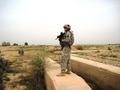
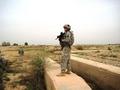
Picture: SSG Lance Bradford, decorated, injured, and wounded warrior--Bronze Star with Valor & Purple Heart returns to Iraq 3 following extensive and intensive integrative health treatment, Ft. Bliss Restoration & Resilience Center & Warrior Transition Battalion. We Salute You Lance for your Dedication, Courage, Devotion and Honor for our Country. We look forward to a safe return for you and all of our great Warriors and their Families.
More >
|
|
|
|
 29 Jun 2011 @ 16:34 29 Jun 2011 @ 16:34
When we are able to see our world from the perspective of change, we become open to a new freedom and awareness...our world comes alive; we are whole again. Tarthang Tulku, Tibetan Meditation,, p.60
Now such an illness has in fact hit millions of American children and adults. We have just described the effects of Eli Lilly’s best-selling antipsychotic, Zyprexa.
If psychoactive drugs are useless, as Kirsch believes about antidepressants, or worse than useless, as Whitaker believes, why are they so widely prescribed by psychiatrists and regarded by the public and the profession as something akin to wonder drugs? Why is the current against which Kirsch and Whitaker and, as we will see, Carlat are swimming so powerful? I discuss these questions in Part II of this review.
—This is the first part of a two-part article.
This NY Books Article & Research is a must read for anyone who is prescribed and takes mental health drugs or psychotropics. There is now real evidence that many of these drugs cause shrinking of the frontal part of the brain as discovered in these long term studies. Psychiatry must have a very red or purple face for all of the red and purple drugs they give out to most soldiers, millions of children, and their families. These labels administered with drugs are the wrong medicine, so beware of the consequences, side effects, with drawing dangers....the independent researchers are only now finding that the patients would have improved and restored their health much better without these mind altering chemicals. [link]
Read this life saving article and these published books and pass on this important message to friends and colleagues who are engaged in the conventional mental health & VA related Programs. I've known for many years as an integrative & holistic social worker that those who passively take these meds, lose much of their motivation and desire for change, self-care, and improvement of their whole being.
The conventional and subjective mental health model of judging, labeling, and drugging without offering holistic or integrative health practices, and absence of long term research has only created high risk and long term dangers for their patients while only providing short-term relief with hazardous, long term harm, creating and establishing an American Drug Culture & Society.
There is now real evidence that many of these chemicals cause shrinking of the frontal part of the brain as discovered in these long term studies and is much like the lobotomy treatments of a few decades past. Psychiatry must have a very red or purple face for all of the red and purple drugs they give out to most soldiers, millions of children, our families and others seeking help. These labels along with the drugs are sick care medicine, so beware of the consequences and side effects....the independent researchers are only now finding that the patients would have improved and restored their health much better without these mind altering chemicals.
Interesting to me is that the vast historical evidence now shows that the Placebo is as effective as the Drug/Chemical...thus, why not take a sugar pill. This research suggests to me, our Mind-Body-Spirit knows what is best for itself when given integrative and holistic health practices as the interventions for healing and restoration. Seems to me that basic human need resources & requirements of love, social interaction, healthy touch, understanding, encouragement,respect and kindness are the best medicine for injured warriors & families when they are out of balance physically, mentally, emotionally, spiritually and socially.
Read the article and these published books and pass on this important message to friends and colleagues who are engaged in the conventional mental health & VA related Programs. I've known for many years as a military & civilian health practitioner, that those who take these meds lose much of their motivation, inspiration, and desire for change and improvement of their whole being. Beware of psychiatric labels, drugs, and conventional mental health therapy.
Please visit our Website and Homepage to view our Southern NM Alliance and our community organization response to the epidemic and catastrophic injuries of our returning Warriors and Families returning from a decade of Wars. We offer Health Services and not failed conventional mental health and chemicals for treating, restoring, and improving health and wellness of the whole family.
Note:
Every professional working in mental-behavioral health must take a pledge and commit themselves to the Guidelines for Empathic Therapy More >
|
|
|
|
 22 Jun 2011 @ 12:59 22 Jun 2011 @ 12:59
"Since mind in its true nature is without duality, not separate from the unity of all things, our lives become our meditation. Meditation is not a technique for escaping this world--it is a good friend and teacher who can guide, support, and help our minds to touch our innermost beings directly, with no walls to divide us from our awareness, inspiration, and intuition. Through this experience we can contact our own wholeness. " (Tarthang Tulku, Gesture of Balance, p.99)
This discussion is in response to an article in Huffington Post on the improvement of psychiatry and medicine. I responded as follows: Frankly, I see this article as propaganda. If you visit your therapist and they bite their nails, give you a label, and prescribe pills without knowing you, don't waste your time or money. If therapists haven't worked on themselves from a holistic and integrative perspective, don't count on getting better or improving your life, health and relationships by taking their medicine.
Actually, psychiatry has created a drug culture and society that is stuck believing that the only cure or relief from stress, anxiety, pain and depression is in the pill box. Get a headache, *don't* walk around and re-connect to mother earth and restore circulation in the whole being, just take a pill. What kind of nonsense is this?
When have you seen an article by these drug pushing doctors recommending that before you take meds, make sure you observe your nutrition, your work or absence of a meaningful job, your worries, your relationships, fears, your lack of self-care. Hey, design a daily health care plan that includes all of the human realms--physical, mental, emotional, spiritual and social--exercise all of them. Meditate daily and use all of the integrative health practices available before getting stuck and dependent upon pills & their prescribers. Also, don't allow these mental health practitioners to put a disorder label for life on your children or your psyche. An open, accepting, allowing and appreciative mind is very eager to restore our health and wellbeing and these labels & drugs tend to stick to our psyche and prevent healing, restoration, and resilience.
Post Traumatic Stress, Anxiety and Depression(PTSD) is not a Disorder, Disease or Illness. Post Traumatic Stress, Anxiety, and Depression is a serious INJURY that affects the whole being--physically, mentally, emotionally, spiritually, and socially. Thus, everything in the whole body-mind-spirit must be worked and exercised, hopefully without the meds being the primary and often the only treatment modality. These meds are often Spirit and Motivation killers as well. Thus, beware of your psychiatrist or psychologist if all they deliver is a prescription and a label without offering continuing care, holistic, and extensive integrative services to support you and your family.
See our Website for alternatives to drugs, labels and conventional medicine-psychiatry.
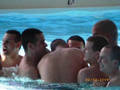
Note: Picture is of Injured and Wounded Warriors participating in weekly Water Polo therapeutic activity in our Ft Bliss Restoration & Resilience Center as part of our Integrative and Holistic Health Program where I served as Senior Social Worker, Primary Therapist, and as coordinator of Health Ed, Meditation and this activity...love these warriors. More >
|
|
|
|
 13 May 2011 @ 02:34 13 May 2011 @ 02:34
Tarthang Tulku helps us learn to meditate and to transcend and transform our Ego mechanisms into healthy human beings. By introducing awareness exercises to guide us in all of his books, this resource is great for health practitioners and others interested in improving themselves from a holistic perspective. For example, in his chapter, “Releasing Fear, Being Honest,” Tibetan Meditation – Practical teaching and step-by-step exercises on how to live in harmony, peace, and happiness, (Dharma Pub, 2006); he guides us with the use of the Mirror:
“The ego plays many games with us and permeates all our feelings, sensations, and ideas; yet we are not even truly aware of how the ego creates these Patterns in our lives or how our various negative attitudes and motivations develop. All we know is that we will continue to suffer from our pain and problems until we are exhausted.” Tarthang Tulku
I have been working with Master Tulku’s practical and visionary exercises for many years and continue to find them adventurous and enjoyable for my injured warriors, couples, families and others as we explore our social psyche--Mind, Body, Emotions and Spirit. Using the Mirror is very inspirational, especially when experiencing all of the masks or veils freeing us from fear, insecurities, prejudices and other inhabitants. I am now eager to see who and what is real behind our persona by using these Mirror exercises and “… to communicate clearly and honestly with both yourself and others.” We might also ask ourselves: “Who is that Masked Man/Woman?”
Please let me know your experience with Tibetan Meditation by Tarthang Tulku. [link] More >
|
|
|
|
 4 May 2011 @ 18:23 4 May 2011 @ 18:23
Breathing Promotes Awareness – Awareness Heals our Injured & Wounded Warriors by Gerald W. Vest, LISW/LMT
Breathing may be one of our most important guides readily accessible and available to us every moment of our life. Tarthang Tulku Rimpoche, author, teacher and Founder of the Nyingma Institute, describes breathing as our most effective means for healing, interacting and supporting our whole being.
“Once we know how to contact the energy of breath, breathing becomes an infinite source of vitalizing energies.” Furthermore, he states: “…breathing charts the life rhythms, the way we breathe signals the disposition of our energies.”
It is for these reasons and because meditation has been a daily part of my life experience that I encourage all of our warriors and families to learn about their breathing patterns. I love to sit or work with Qigong/Kath State Exercises and observe my breathing while enjoying Nature’s relationship with us. For example, every evening the Doves and other birds come for their early evening feeding, bath and strut around our back yard. They are very brave as are our four dogs who love to chase them from their territory. Cody, for example, our Shepherd, will take them out of the picture when their instincts are not focused. I realize that animals and Nature are not in competition, but rather possess an instinctual form of behavior that we all possess.
Wouldn’t it be great if our World Leaders would sit and observe their breathing prior to or during diplomacy and peace meetings? Opening our mind with our Breath offers us a real opportunity to engage and interact with others in order to find peaceful solutions to every problem as well as to discover the peaceful alternatives to war and confict.
It is often hard to accept that All is Known; however, as we enter our mind with questions, challenges and concerns, our Mind discloses Truth and responds accordingly. An example of this knowing can be understood as we agree or disagree during our teaching-learning processes and experiences. As described in The Tarot, the Book of Life Experience, our knowledge, wisdom, love and truth are an unfolding process of ego and spiritual development of our whole being. The Minor cards show our ego development while the Major Arcana introduces us to our spiritual or essential qualities of maturation.
It is for these reasons and for our understanding that it is important to maintain a “continuum of awareness” of our senses, breath, pain, blocking, and flow of energies so that we can experience the Gestalt or Holistic presentation of life, Nature and our relationships.
We know that Nature or Mind has no judgment, as in the beliefs and rules established by our family and our society. Nature operates in a lawful and absolute Way—No Contradictions, only “collisions of energy” as described in particle science—All is in Total Interaction whether we are aware or not. It is only our Egos who are in conflict with Nature—the Self Preservation; Relations, and Adaptation Instincts respond to any dangers or insecurities as protective and supportive mechanisms. I suspect the greater the number of beliefs we hold, take us further away from the opportunity to be united with our True Nature and respond effectively or skillfully to symptoms of stress, anxiety and depression.
Therefore, observing our breathing and becoming aware and mindful allows us to restore our health and wellbeing and become closer to who we are while offering us Hope and an opportunity to fulfill our aspirations and destiny to be complete loving, responsible, compassionate and respectful Human Beings.
Note: I dedicate this log to SSG Woody who served as our NCOIC in the Ft. Bliss Restoration & Resilience Center, leader of the Wolf Pack and retired a year ago from military following 20+ years of successful leadership and following several tours of duty in Iraq. Woody reportedly took his life on May 3, 2011. God Bless you Woody, my dear friend and comrade. I hold our politicians responsible for these deaths as they had other alternatives and chose not to follow their instincts and past experiences of Wars.
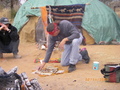
Picture is Red Cloud preparing us for a Native American Sweat Lodge, one of our most important healing programs for Injured and Wounded Warriors. More >
|
|
|
|
 31 Mar 2011 @ 14:07 31 Mar 2011 @ 14:07
Refuting the erroneous view that "whatsoever fortune or misfortune experienced is all due to some previous action", the Buddha said:
"So, then, according to this view, owing to previous action men will become murderers, thieves, unchaste, liars, slanderers, covetous, malicious and perverts. Thus, for those who fall back on the former deeds as the essential reason, there is neither the desire to do, nor effort to do, nor necessity to do this deed, or abstain from this deed." [link]
I like this article on the "politics of fear" that has put us in the quagmire we are in today. I suspect we also have the politics of ignorance and prejudice, but then, these human inhabitants have always been with us as far back as I can recall. [link]
I would like to question the concept of Karma as most of our soldiers and general population understand it as what comes around, goes around. I took a poll in my groups and most of our Warriors believed that if they kill a child or someone in war, they will also experience a similar loss with their family or friends. Many will put detection devices around their homes and will sleep with one eye open to protect their loved ones. Obviously, this lack of sleep only prolongs their stress, anxiety and depression (PTSd). Furthermore, they are given sleep meds that rarely work, produce 'black outs' and several other psychotropics are added to their treatment to cover over and cover up their injuries.
I suggest to my soldiers that Karma only continues to haunt them because they have not learned from their life or War experiences that Nature is always teaching us without judgment and if we are not mindful or aware of this opportunity, we will continue to suffer. Thus, we must work to discover the Truth behind the trauma events. Together we will find, reframe and resolve this fear and belief, put our lives and relationships into a new context, and observe or witness reality as it truly exists while unfolding our experiences. [link]
At first, this experience of reframing is like putting a puzzle together while not having all of the pieces. It's interesting to me that durng the soldier's expressive arts session, many will work on very complex puzzles and it never fails, someone will take a piece out of it, usually in the middle, to represent that it will not be fully completed. However, it is completed enough so we can clearly witness or see the gestalt and clarify the learning experience.
Furthermore, I have observed many warriors transcend and transform these missing links once they reframe and learn that they are not responsible for their brothers and sisters losing their lives and it is only their beliefs keeping them in the State of Fear.
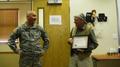
NOTE: Picture is SFC Scott Milligan, a great Warrior who has 2 Purple Hearts, 4 deployments, broken back and other serious injuries graduating from our Ft. Bliss Restoration & Resilience Center. Now back to his unit, fit for duty, with only one year or so of service to complete, may now deploy to Afghanistan. Do visit this pic of his tank destroyed by IED on our website where he rescued his team and was seriously injured, again. [link] More >
|
|
|
|
 8 Mar 2011 @ 15:54 8 Mar 2011 @ 15:54
Dr. Ashley Montagu argues that the kind of society we have depends on our success in raising healthy children. He considers the ‘psychic needs' of a growing child that must be fulfilled to ensure the full development of a child’s potential. These requirements for a healthy human being in childhood, are in addition to physiological needs, especially our need for Love, Encouragement and Physical Interaction--safe, skillful and nourishing touch. [link]
**********************************************************************
The list of twenty-six psychic needs are: (1) The need for love; (2) Friendship; (3) Sensitivity; (4) The need to think soundly; (5) The need to know; (6) The need to learn; (7) The need to work; (8) The need to organize; (9) Curiosity; (10) The sense of wonder; (11) Playfulness; (12) Imagination; (13) Creativity; (14) Openmindedness; (15) Flexibility; (16) Experimental-mindedness; (17) Explorativeness ; (18) Resiliency; (19) The sense of humour; (20) Joyfulness; (21) Laughter and tears; (22) Optimism; (23) Honesty and trust; (24) Compassionate intelligence; (25) Dance; (26) Song.
***********************************************************************
Many comments about the failure of schools and teachers are filling the airwaves and logs these days, perhaps because the politicians wish to cut collective bargaining, the unions, and teacher salaries. It is for this reason that as a teacher I am sharing a couple of suggestions for teachers to enrich their classrooms with teamwork, interaction, creativity, and learning opportunities.
The teaching-learning experience in our schools could be explored as we all are unique and what works with one child may not another. However, if we look at our personal experiences of learning, our buddies and friends provided great sources of encouragement and support as well as engaging our natural competitive nature by not wishing to be the lowest member of the class.
So, I am suggesting that teachers create a class buddy system so that no one is left *out* or behind. Perhaps teamwork (3 or more) students engaged in daily projects can become more part of the teaching-learning experience so that improvement for one student, becomes improvement for the entire team and consequently the class raises its level of consciousness and learning. Teams can also be designed so that students from advanced classes can serve as consultants to the teams.
And, I suggest that schools provide more social workers for students with single moms & dads, especially with this increasing economic disaster creating hardships, illness, injury, unemployment, crime, cruelty, abuse, neglect, depression, suicide, etc. Supporting the health, welfare and best interests of every child has a direct relationship with the health and wellbeing of the entire family, community, and society at large. I believe the same relationship exists in the classroom & school community if we acknowledge that certain health conditions must be in place in the social environment for positive and creative learning to be effective for every child.
text More >
|
|
<< Newer entries Page: 1 2 3 4 5 6 7 8 9 10 11 Older entries >> |
|
In these articles, I introduce the basic need for human touch. While there is strong evidence that our society and human family are becoming an endangered species, many governments, such as the USA, pay little, if any attention, to global warming, nuclear stock piles, environment, natural and economic disasters, poverty, abuse, neglect, pandemic health diseases, and growing military-industrial monopolies.
While many of us are aware of these pending and current disasters, organizations such as New Civilization, are hoping to awaken humanity through mindfulness, virtual interaction on the Internet, and forming healthy, respectful alliances to make a difference and change the direction we are heading.
Our health promotion team is a small effort, but hopefully an expanding opportunity, to awaken individuals, couples, families, groups, organizations and commuities to an awareness that touch, respect and love are basic human needs for survival and wellbeing.
Obviously, there are serious considerations for being circumspect and skillful in offering touch as a conscious intervention in the workplace or in a family environment. Guidelines for the safe use of touch include:
- providing the option for participants to self-administer our program;
- receiving permission to touch and reminding participants that contact is always in safe areas;
- having witnesses or partners present;
- teaching the activity to others so that they can be the givers of the stressout program;
- encouraging participants to use the teaching video and study guide (Vest,1995)if the worker chooses not to make physical contact.
Join with us in advancing the use of healthy, respectful and loving touch throughout the world. We are One. |
| Mon | Tue | Wed | Thu | Fri | Sat | Sun |
|---|
|
1 |
2 |
3 |
4 |
5 |
6 |
| 7 |
8 |
9 |
10 |
11 |
12 |
13 |
| 14 |
15 |
16 |
17 |
18 |
19 |
20 |
| 21 |
22 |
23 |
24 |
25 |
26 |
27 |
| 28 |
29 |
30 |
|
|


